
 EN
EN


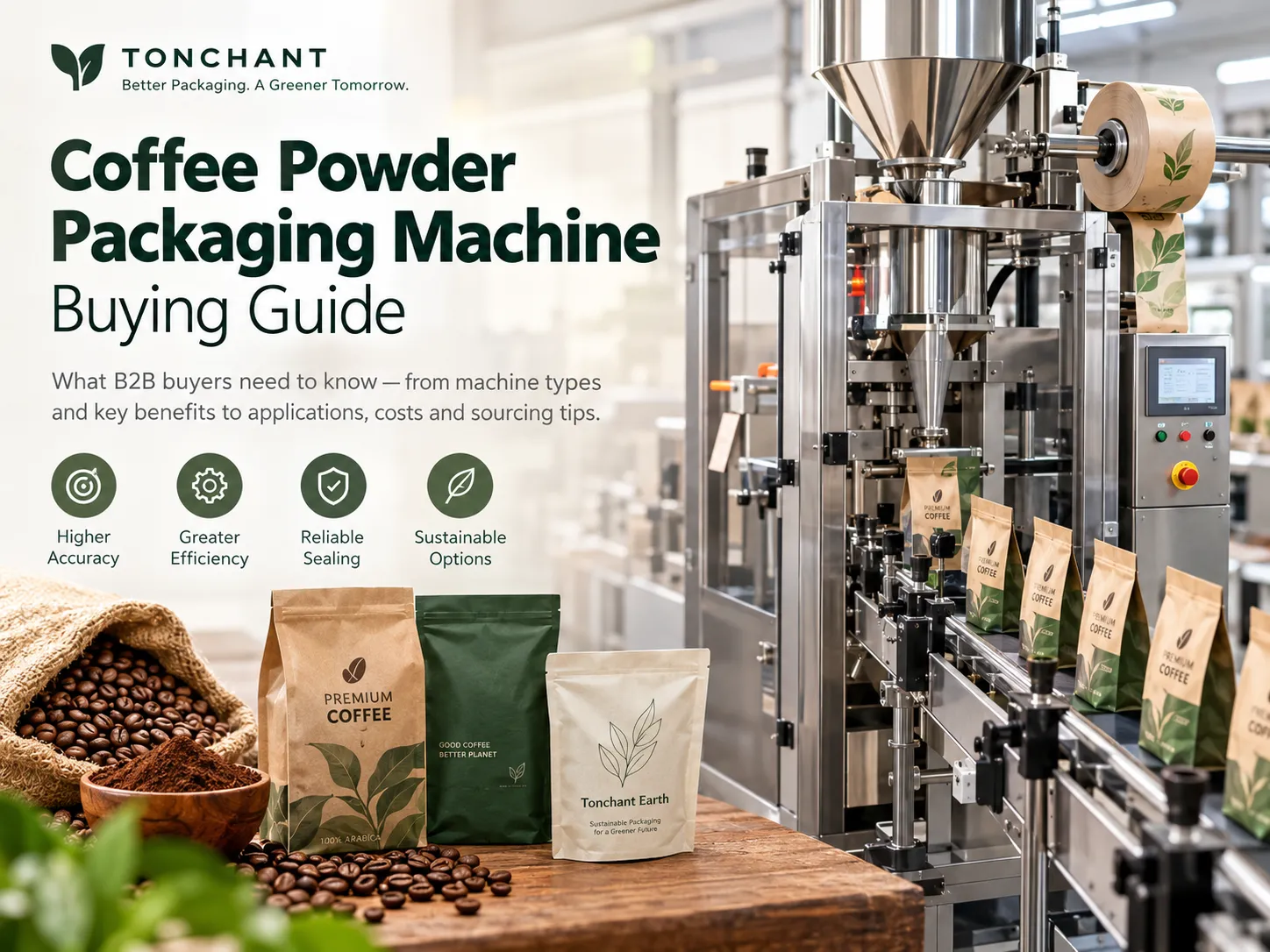

The EU Single-Use Plastics Directive (2019/904/EU), extended producer responsibility legislation in the UK, and corporate sustainability commitments from major grocery retailers (including Tesco, Carrefour, and REWE Group) are collectively driving significant pressure on coffee and tea brands to transition away from conventional plastic packaging materials. For producers who have invested in automated packing machines based on conventional plastic film or nylon mesh, this regulatory and commercial shift creates a practical question: can your existing machine handle sustainable packaging materials, or does the sustainability transition require new machinery? This guide addresses the equipment implications of the packaging sustainability shift.

Key Sustainable Packaging Materials and Their Machine Compatibility
Compostable Coffee Bags (PLA/PBAT Film)
Compostable coffee bag films based on PLA (polylactic acid) and PBAT (polybutylene adipate terephthalate) are commercially available and certified to EN 13432 (the EU industrial compostability standard). These materials have different sealing characteristics than conventional PE-based films:
• Lower sealing temperature: PLA films typically seal at 130–155°C vs. 170–200°C for PE-based films
• Narrower sealing window: the temperature range within which a good seal is produced is narrower, requiring more precise temperature control
• Different material stiffness: PLA films are stiffer than PE at room temperature, which affects bag feeding and opening mechanisms on pre-made bag machines
Machine compatibility: most modern automated packing machines with PLC-controlled sealing temperature adjustment can be configured to handle PLA and PLA/PBAT films. A machine with fixed-temperature sealing elements is less compatible. Verify sealing temperature range with the supplier before specifying a compostable film.
Plastic-Free Tea Bags (Paper Mesh, PLA Mesh)
For tea bags, the sustainability transition means replacing nylon mesh (non-biodegradable) with PLA mesh (compostable) or heat-sealed paper-based materials. As discussed in Article 27, PLA mesh seals at lower temperature than nylon and requires a machine with adjustable temperature profile capability.
An important distinction: PLA mesh is compostable but not recyclable in most municipal recycling systems, because the particle size is too small for sortation. Paper-based tea bag materials (filter paper with heat-sealable coating) are increasingly used by brands targeting "plastic-free" rather than strictly compostable positioning.
Kraft Paper Outer Envelopes
For drip coffee bag outer envelopes, the shift from transparent plastic film to kraft paper or biodegradable paper materials is both a sustainability response and a premium aesthetic positioning. Kraft outer envelopes are compatible with heat-seal and fold-tuck sealing mechanisms on most outer envelope machines. Key technical requirement: the paper material must have a sealable coating on the inner surface; uncoated kraft cannot be heat-sealed.
The Business Case for Sustainable Packaging Equipment Capability
Retailer sustainability requirements are increasingly becoming supplier qualification criteria, not just aspirational targets. Several major European supermarket chains now require packaging sustainability documentation as part of their supplier onboarding process. Brands that cannot demonstrate compostable or plastic-free packaging options may face retail listing challenges in 2026–2028 as these requirements become more widespread.
Investing in a packaging machine with verified compostable and paper-based material compatibility is, for many brands, a prerequisite for future retail growth — not a premium add-on.
> Need a packaging machine that handles compostable and paper-based materials?
> Contact Tonchant Pack — our machines support PLA, PBAT, and paper-based tea and coffee packaging →
> Free material compatibility consultation. CE-certified for EU market.