
 EN
EN


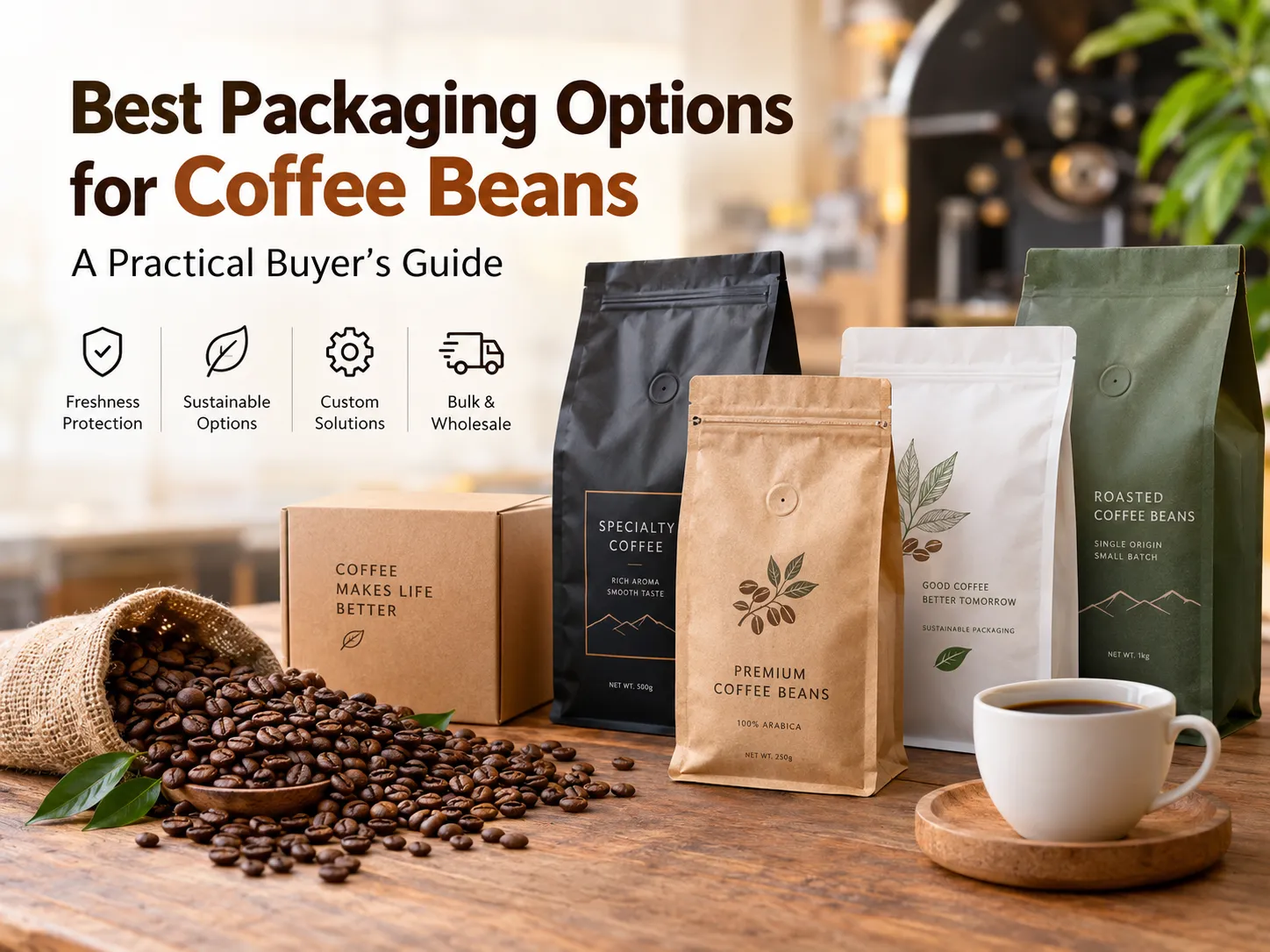

The coffee packaging market in 2026 is being shaped by four converging forces: sustainability regulation in Europe and North America, the continued growth of the drip coffee and single-serve segment, the rise of AI-assisted content and QR code-linked traceability on retail packaging, and the structural shift in global coffee consumption toward the premium and specialty tier. For roasters, OEM coffee producers, and contract packers investing in packaging machinery this year, understanding these trends is directly relevant to which machine capabilities to prioritize in 2026.

Trend 1: Sustainability Requirements Accelerating Material Transition
The EU Packaging and Packaging Waste Regulation (PPWR), expected to require all packaging to be recyclable or compostable by 2030, is already driving retail buyer specification changes that are affecting brands' packaging decisions today. Several major European supermarket chains have moved their own-brand coffee packaging to compostable pouches ahead of regulatory mandates.
Machine implication: coffee packing machines purchased in 2026 should be specified with compostable and paper-based film compatibility — not as a future upgrade, but as a standard requirement. Confirm with your supplier that the machine's sealing temperature range and forming collar material can handle PLA and PLA/PBAT films.
Trend 2: QR Code Traceability and Digital Packaging
A growing number of specialty and premium coffee brands are using QR codes on retail packaging to link consumers to origin stories, roast notes, and freshness tracking. In 2026, some brands are moving beyond static QR codes to dynamic codes that update based on roast batch, enabling farm-to-cup traceability documentation visible to the consumer.
Machine implication: the coding and labeling station on a modern packing machine should be capable of printing unique or variable data per bag — either via a thermal transfer overprinter with database connectivity or an integrated QR code applicator. Confirm with your packaging machine supplier whether the machine supports variable data printing per bag or per batch.
Trend 3: Drip Coffee Bag Format Expansion
The drip coffee bag format is expanding from a primarily East Asian specialty product into mainstream European and North American retail. UK convenience store chains including Costa Express shelf products and specialty retailers including Whittard of Chelsea have launched drip coffee bag product lines in 2025–2026, signaling category maturity in the UK market.
Machine implication: roasters serving UK and EU markets who have not yet invested in drip coffee bag packing equipment are facing growing competitive pressure. The investment case for a horizontal hanging-ear drip coffee bag machine with outer envelope capability is strengthening as the category expands.
Trend 4: Premium Pouch Format Growth (Flat-Bottom Bags)
The flat-bottom bag — sometimes called a box pouch or block bottom bag — has become the premium retail coffee format of choice in multiple markets. Its self-standing structure, full-surface print area, and premium visual weight distinguish it from conventional stand-up pouches. For coffee brands seeking to trade up their retail positioning without a complete repackaging overhaul, transitioning from a standard stand-up pouch to a flat-bottom bag is the most commercially effective move.
Machine implication: flat-bottom bags require a pre-made bag filling machine with flat-bottom bag magazine compatibility. Not all PMB machines support flat-bottom bags — confirm compatibility with the machine supplier.
Conclusion: Building a Future-Compatible Packaging Line
The packaging machinery decisions made in 2026 will define a producer's operational capability for the next 5–7 years. Buying for current requirements only — without considering the sustainability transition, format evolution, and digital integration trends — risks creating a machine obsolescence problem in 3–4 years.
> Planning your packaging machine investment for 2026 and beyond?
> Contact Tonchant Pack for a future-compatible machine specification →
> Compostable film support, variable data printing, flat-bottom bag capability — all available.