
 EN
EN
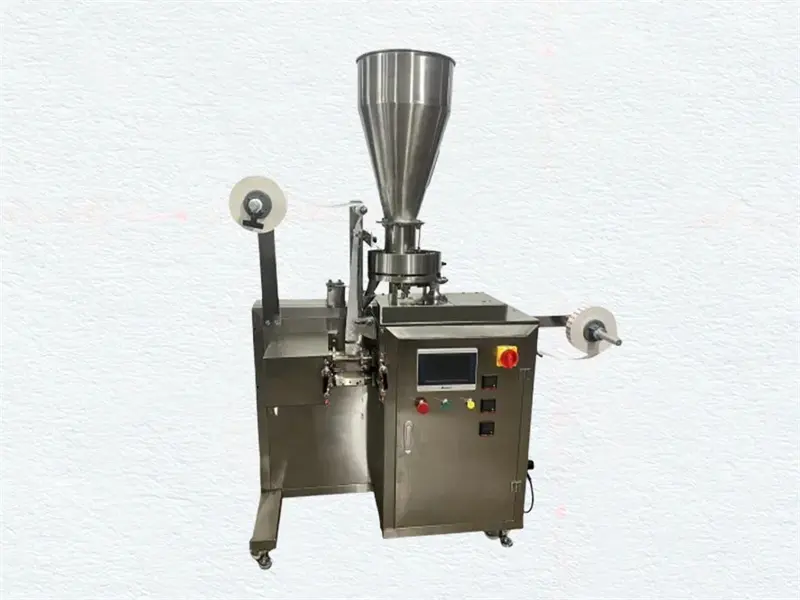
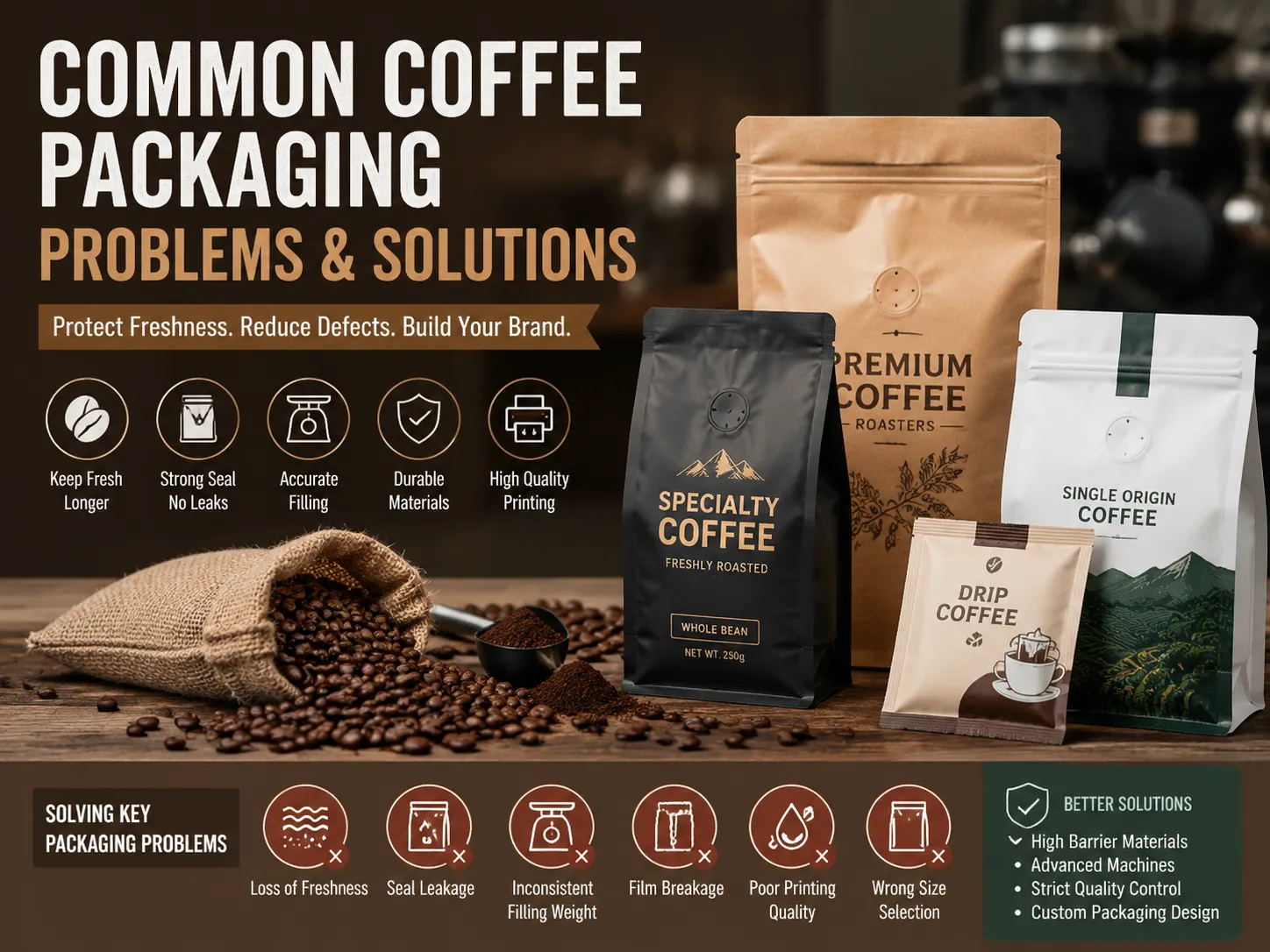


A packing machine that ships with a claimed fill accuracy of ±1.5% may perform at ±2.5% or worse when running your specific product at full production speed. This disconnect is common, and it exists because most factory test runs use a generic sample material — not your product — and run for 5–10 minutes rather than the 4–8 hours that characterizes a production shift. Validating filling machine accuracy before committing to full production — either at the supplier's factory before shipment or at your facility after installation — is a critical quality assurance step that prevents weeks of underperforming production. This guide provides a practical validation protocol that any production team can execute.

Why Factory Claims Don't Always Match Field Performance
Fill weight accuracy claims from a packing machine manufacturer are measured under controlled conditions:
• A specific density and flowability of a test product
• A fully warmed-up machine (performance is typically worse at cold start)
• A short test run that does not expose drift from hopper depletion, temperature rise, or vibration accumulation over time
Your production conditions differ from these controlled conditions in ways that can meaningfully affect accuracy:
• Your coffee or tea has a specific density that may be higher or lower than the test material
• Your production shift runs 6–8 hours continuously; machine temperature and component wear accumulate
• Your facility's ambient temperature and humidity affect product flowability
This does not mean the manufacturer's claim is dishonest — it means the validation must be done with your product under your production conditions.
Pre-Production Accuracy Validation Protocol
Step 1: Machine Warm-Up (30 minutes)
Before taking any accuracy measurements, run the machine at production speed for 30 minutes with your product. This allows the auger, filling chamber, and hopper to reach thermal equilibrium and for product flow to stabilize.
Step 2: Cold-Start Sample (50 bags)
At the end of the warm-up period, manually weigh 50 consecutive bags on a calibrated laboratory balance. Record each weight. Calculate:
• Mean fill weight: average of all 50 readings
• Standard deviation (σ): statistical measure of variation
• Maximum deviation from target: the largest individual deviation observed
Acceptance criterion: Mean within ±0.5% of target weight; σ ≤ 0.4% of target weight (for ±1.5% claimed accuracy)
Step 3: Mid-Shift Sample (50 bags at 3–4 hours of continuous operation)
Repeat the 50-bag weigh-and-record process at the midpoint of a production shift. Compare mean and σ against the cold-start sample. Fill weight drift of more than 0.5 g from cold-start to mid-shift suggests a calibration issue that should be investigated before accepting the machine into full production.
Step 4: End-of-Shift Calibration Check
Immediately before stopping production, take a final 10-bag sample and weigh. A machine that maintains accuracy within specification from start to end of shift has demonstrated production-condition performance.
Step 5: Document and Establish Statistical Process Control Baseline
Record the full validation dataset (cold-start, mid-shift, end-of-shift). This dataset becomes:
• The baseline against which future routine audits are compared
• Evidence for retailer or regulatory auditors that fill weight accuracy has been validated
• An early-warning reference: when a future routine audit shows the mean drifting more than 0.5 g from baseline, it triggers a calibration check before a formal quality issue develops
Seal Integrity Validation
Fill weight validation must be accompanied by seal integrity validation. For each sample set:
• Visual inspection: 100% of sampled bags for visible seal defects (wrinkles, fish-eyes, unsealed edges)
• Manual peel test: select 5 bags from each sample set; attempt to peel the seal by hand. Acceptable: the seal requires visible force to peel and leaves a clean torn film edge (not a clean separation at the seal interface)
• Burst test (optional): an air-pressure burst tester confirms seal strength to a defined kPa target
> Need help designing a filling machine validation protocol for your facility?
> Contact Tonchant Pack's quality team for a free validation protocol template →
> We conduct full validation runs with your product material before shipping every machine.