
 EN
EN
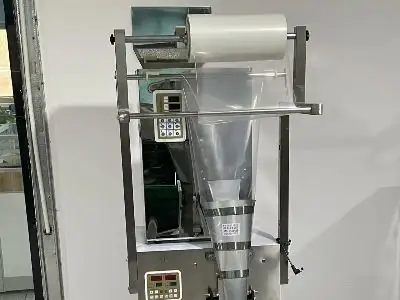
Choosing a small sealing machine for your home or small food workshop production requires careful consideration. This buying guide for small sealing machines will walk you through essential factors including specifications, applications, and potential issues you might face. Understanding these elements will help you make a more informed decision, ensuring you select a machine that meets your production needs efficiently and effectively
How to Choose the Right Small Sealing Machine for Your Workshop
When selecting a small pouch sealing machine, consider its operational capacity, sealing method, and the materials it can handle. Look for specifications such as sealing width, production speed, and power consumption, which are critical for matching the machine to your production volume and type of packaging
For instance, if your workshop primarily deals with coffee or tea packaging, you may require a machine that can handle heat sealing for foil bags, which provides a strong barrier against moisture and oxygen. Additionally, assess the machine’s adaptability to different bag sizes and types. Machines that offer adjustable settings allow for flexibility in production, which is beneficial if you plan to package a variety of products
Don't overlook the importance of ease of operation and maintenance. Machines that are user-friendly and require minimal setup time can significantly enhance productivity. Furthermore, ensure that the machine complies with relevant food safety regulations, especially if you handle consumable goods
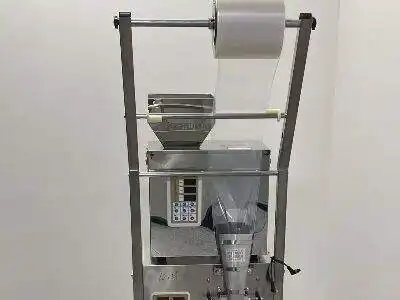
Where to Find Reliable Suppliers for Small Sealing Machines
Finding a trustworthy supplier for small sealing machines involves research and evaluation. Start by exploring online directories that specialize in manufacturing equipment. Websites like Alibaba and Made-in-China can provide a broad range of suppliers, but it’s essential to verify their credentials before proceeding. Look for manufacturers with a proven track record, positive customer reviews, and relevant industry certifications
Engaging with industry trade shows or exhibitions is another effective way to meet suppliers face-to-face and assess their products firsthand. This can also facilitate discussions about customizations and specific requirements for your sealing machines. Building a relationship with suppliers through direct interaction can lead to better pricing and support
Lastly, consider suppliers that offer comprehensive after-sales support, including training and maintenance services. A reliable supplier should not only sell you a machine but also assist you in maximizing its efficiency in your production line
Small Sealing Machines for Bulk Purchases
When purchasing small packaging and sealing machines in bulk, buyers should consider factors such as pricing, minimum order quantity (MOQ), and production lead times. Bulk purchases often come with discounts, so it is beneficial to negotiate terms that work for both parties
Additionally, ensure that the specifications are consistent across all units. A reputable manufacturer should provide a quality control process to guarantee that every machine meets the same standards. Requesting samples before committing to a bulk order can help verify that the machines perform as expected under your specific operational conditions
Another important aspect is the shipping and handling of bulk orders. Discuss logistics with your supplier to understand delivery timelines and any additional costs that may arise. Proper packaging during transit is crucial to prevent damage, especially if the machines are sensitive equipment
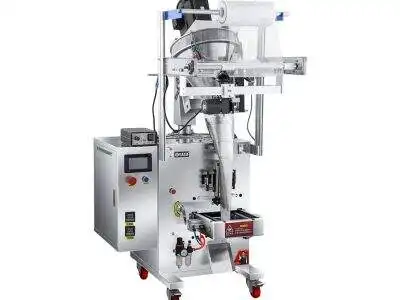
Common Problems with Small Sealing Machines and Solutions
While small sealing machines are generally reliable, operators may encounter several common issues. One frequent problem is inconsistent sealing, which can arise from incorrect temperature settings or worn-out sealing elements. To mitigate this, ensure regular maintenance checks and replace parts as necessary
Another concern is machine jams, often caused by improper loading of packaging materials. Training operators on the correct loading techniques can significantly reduce downtime. Additionally, monitoring the machine's performance can help identify patterns that indicate when maintenance is needed before a failure occurs
Lastly, be aware of potential discrepancies in sealing quality due to environmental factors such as humidity and temperature, which can affect the adhesive properties of sealing materials. Consider investing in a machine with adjustable settings to adapt to varying conditions
Applications of Small Sealing Machines in Home and Workshop Settings
Small sealing machines are versatile and can be applied in various home and workshop settings. In a food workshop, they are ideal for packaging coffee, tea, spices, and snacks, preserving freshness and extending shelf life. The ability to create airtight seals is crucial for maintaining product quality, particularly for items sensitive to oxygen and moisture
For home use, these machines are perfect for meal prepping or preserving garden produce. They can seal bags for freezing fruits and vegetables, ensuring they retain their flavor and nutrients for longer periods. Additionally, hobbyists can leverage small packing and sealing machines for crafting, such as packaging homemade gifts or small items for sale
The adaptability of small sealing machines means they can cater to various industries, including cosmetics and pharmaceuticals, where product integrity is vital. Understanding the specific needs of your application will guide you in selecting a machine with the right features and capabilities