
 EN
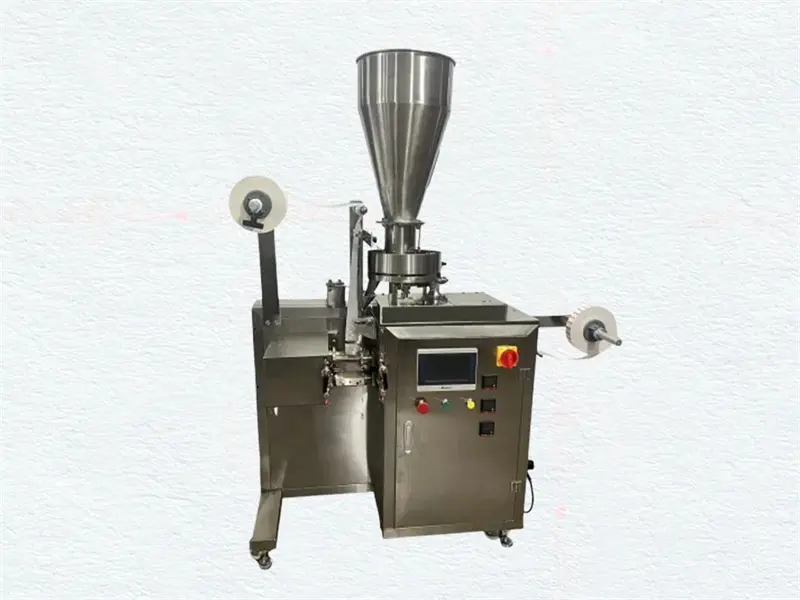



When sourcing a packing machine for ground coffee or tea powder, one of the early format decisions you will make is the bag seal configuration: back seal or side seal. Both produce functionally effective bags that protect the product, but they differ in visual presentation, material requirements, production characteristics, and the consumer use experience. For a brand building a retail product range, this choice influences shelf presence and perceived quality. For an OEM contract packer producing private-label product for multiple clients, it may affect production flexibility. Understanding the practical implications of each format before specifying your packing machine will prevent a format mismatch that requires costly machine changeover or replacement later.

Back Seal (Pillow) Bags: Characteristics and Use Cases
A back-sealed bag (sometimes called a pillow bag or fin-seal bag) has a vertical seam running down the center of the back of the bag, with horizontal seams at the top and bottom. The bag shape is a pillow or rectangular pouch. This is the lowest-cost powder bag format in terms of film material consumption and machine complexity.
Characteristics:
• Film consumption: lowest (film width equals approximately bag width + depth + overlap)
• Bag structure: two-dimensional pillow shape; not self-standing
• Print surface: front panel only (back panel has the seal seam)
• Consumer experience: typically laid flat or stored in a box/canister after opening
• Best for: commodity coffee powder, tea powder, single-origin sachets, trial size bags
Typical applications: instant coffee sachets (3–7 g), ground coffee single-portion bags (8–12 g), commodity coffee powder (100–500 g for retail or foodservice)
Side Seal Bags: Characteristics and Use Cases
Side-sealed bags have two vertical seams on the left and right edges of the bag, with the print surface occupying the full front and back panels without a visible seam interruption. This format includes flat-lay side seal bags and, in its more complex form, the gusseted stand-up side-seal bag.
Characteristics:
• Film consumption: approximately 10–15% higher than back-seal for the same volume bag
• Bag structure: flat-lay or gusseted (with bottom fold enabling standing); premium presentation
• Print surface: full front and back panel, no seam visible on any display surface
• Consumer experience: lay flat for storage; some formats include resealable zip-lock
• Best for: premium coffee blends, specialty tea, branded retail products where shelf presence and brand visibility are key purchase drivers
The Packing Machine Implication: Different Tube-Forming Mechanisms
Back seal and side seal bags are produced by different tube-forming mechanisms within the packing machine:
• Back seal (fin seal): the film is formed into a tube with the film edges overlapping and sealed at the back; a simpler forming mechanism with fewer components
• Side seal: the film is formed into a tube with the edges meeting at the two sides; the forming collar geometry is different and requires a slightly larger film width
This means that while some higher-specification machines can switch between formats with a forming collar change, budget machines are typically designed for one format only. If you anticipate producing both back-seal and side-seal bags, specify this at the time of machine purchase to ensure the correct forming collar options are available.
Comparison at a Glance
| Factor | Back Seal | Side Seal |
| Film material cost per bag | Lower | Higher (~12%) |
| Machine complexity | Lower | Slightly higher |
| Retail shelf presence | Standard | Premium |
| Print surface area | Front only | Full front + back |
| Reseal zip-lock capability | Difficult | Yes, with gusset |
| Best for | Commodity, private label | Premium retail, specialty |
> Need help choosing the right format for your coffee packing machine?
> Contact Tonchant Pack for a free format consultation →
> Back seal and side seal machines available. MOQ: 1 unit.